

Absolutely — here is a polished, SEO-friendly blog post for your commercial real estate content.
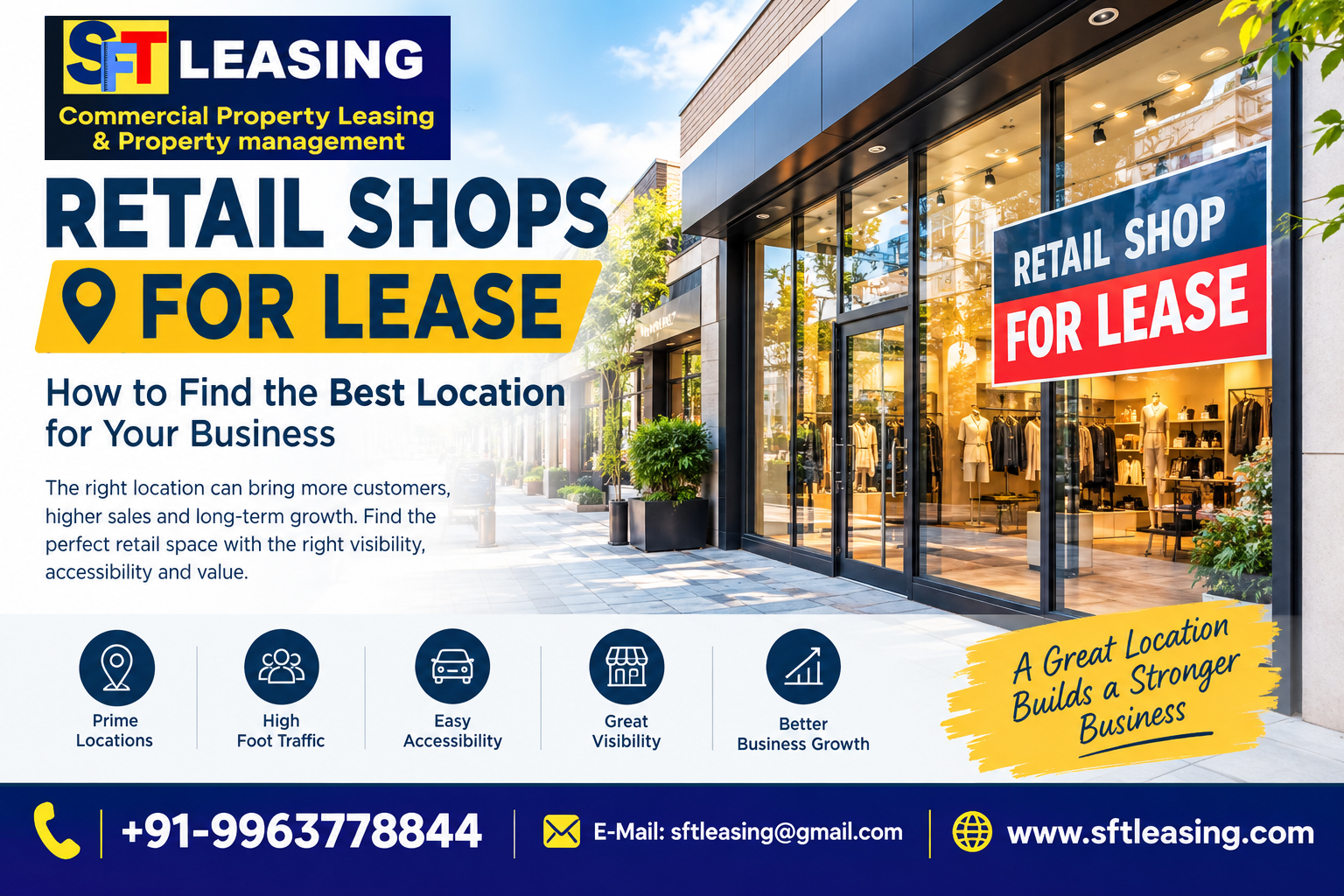
Retail Shops for Lease, How to Find the Best Location for Your Business
Finding the right retail shop for lease is one of the most important decisions a business owner can make. The location of your shop can directly influence customer traffic, visibility, sales, operating costs, and long-term business growth.
Whether you are launching a new retail business, expanding an existing store, or relocating to a better market, choosing the right commercial space requires careful planning. A shop may look attractive and affordable, but if it does not have the right customer base or accessibility, it may not deliver the results you expect.
Here are the key factors to consider when searching for the best retail shop for lease.
1. Choose a Location That Matches Your Target Customers
Before looking at properties, identify your ideal customers.
Consider:
- Where your target customers live or work
- Their income levels and spending habits
- How frequently they visit the area
- Whether they prefer shopping malls, high streets, or neighborhood markets
- What transportation they typically use
A fashion store, grocery shop, restaurant, electronics store, and premium showroom may all require different types of locations.
The best location is not necessarily the busiest one — it is the one where your target customers are most likely to visit.
2. Evaluate Foot Traffic and Visibility
For many retail businesses, visibility is critical.
Look for shops with:
- High pedestrian traffic
- Good road visibility
- Attractive frontage
- Clear signage opportunities
- Easy access from the main road
- Nearby businesses that attract complementary customers
A highly visible retail shop can reduce the amount you need to spend on attracting customers through advertising.
3. Check Accessibility and Parking
Customers should be able to reach your store conveniently.
Evaluate:
- Road connectivity
- Public transportation
- Parking availability
- Entry and exit points
- Traffic conditions
- Accessibility for deliveries
If customers struggle to reach or park near your store, even an excellent retail location can underperform.
4. Study the Surrounding Businesses
The businesses around your proposed shop can have a major impact on your success.
Look for complementary businesses that can generate additional customer traffic. For example, a clothing store may benefit from being near footwear, accessories, beauty, or lifestyle businesses.
However, excessive direct competition may also create challenges.
Before signing a lease, study the surrounding commercial ecosystem and understand why customers visit the area.
5. Compare Rent With Your Business Budget
Rental cost is one of the biggest ongoing expenses for many retail businesses.
Don’t select a property based solely on the lowest rent. Instead, evaluate the overall value of the location.
Consider:
- Monthly rent
- Security deposit
- Maintenance charges
- Utilities
- Property taxes or other applicable charges
- Fit-out and renovation expenses
- Parking costs
- Signage expenses
A slightly more expensive shop in a high-performing location may generate significantly better returns than a cheaper shop in a low-traffic area.
6. Understand the Lease Terms
Before committing to a retail shop, carefully review the lease agreement.
Pay attention to:
- Lease duration
- Rent escalation clauses
- Security deposit
- Renewal options
- Lock-in period
- Notice period
- Maintenance responsibilities
- Permitted business activities
- Signage rights
- Subleasing provisions
If possible, have the agreement reviewed by a qualified legal professional before signing.
7. Check the Shop’s Size and Layout
The usable layout of a retail shop is just as important as its total area.
Think about how the space will accommodate:
- Customer display areas
- Product storage
- Billing counters
- Staff areas
- Inventory
- Customer movement
- Restrooms
- Delivery access
A well-designed space can improve the shopping experience and make your operations more efficient.
8. Consider Future Business Growth
Your current requirements may not be the same as your requirements two or three years from now.
Think about whether the location provides opportunities for:
- Expansion
- Additional storage
- Larger signage
- Increased customer traffic
- New product categories
- Additional staff
Choosing a flexible location can help your business grow without requiring another expensive relocation.
9. Check Local Regulations and Approvals
Before leasing a retail property, verify that the premises can legally be used for your intended business.
Depending on the business and location, you may need to consider:
- Commercial-use permissions
- Local licenses
- Fire and safety requirements
- Signage regulations
- Parking requirements
- Building approvals
- Zoning or usage restrictions
Completing these checks before signing the agreement can help prevent costly problems later.
10. Research the Local Market
Spend time in the area before making your decision.
Visit the location at different times of the day and, if possible, on different days of the week.
Observe:
- Customer traffic
- Peak shopping hours
- Competitor activity
- Parking availability
- Nearby construction
- Traffic patterns
- General customer behavior
This real-world research can reveal information that a property listing cannot.
11. Negotiate the Lease
Don’t assume that the advertised rental terms are final.
Depending on market conditions and the property, you may be able to negotiate:
- Monthly rent
- Security deposit
- Rent-free fit-out period
- Escalation terms
- Lease duration
- Renewal conditions
- Maintenance responsibilities
Understanding comparable retail properties in the area can give you stronger negotiating power.
12. Work With a Commercial Leasing Professional
Finding the right retail shop can be time-consuming. A commercial real estate professional can help you identify suitable properties, compare locations, understand market conditions, and negotiate better terms.
Professional guidance can be especially valuable when you are unfamiliar with the local commercial property market.
Final Thoughts
Choosing the right retail shop for lease is about much more than finding an attractive property at an affordable price. Location, visibility, accessibility, customer demographics, competition, rental costs, and lease terms all play an important role in determining the potential success of your business.
Take the time to research different locations, compare properties, inspect the premises carefully, and understand the complete cost of leasing before making a decision.
The right retail location can become a valuable foundation for your brand, customer relationships, and long-term business growth.
Looking for the Right Retail Shop for Lease?
Whether you are starting a new retail business, expanding your operations, or relocating your store, professional commercial real estate guidance can make the search easier.
Find the right retail space. Choose the right location. Build your business for long-term success.
If you’d like, I can also create a professional blog-post image for “Retail Shops for Lease” with your branding and contact details.